Migration Alert: Winter Weather May Improve Canada Goose Hunting throughout Great Lakes Region
Dec. 5, 2025 – Mississippi Flyway – Great Lakes Region
Dec. 5, 2025 – Mississippi Flyway – Great Lakes Region


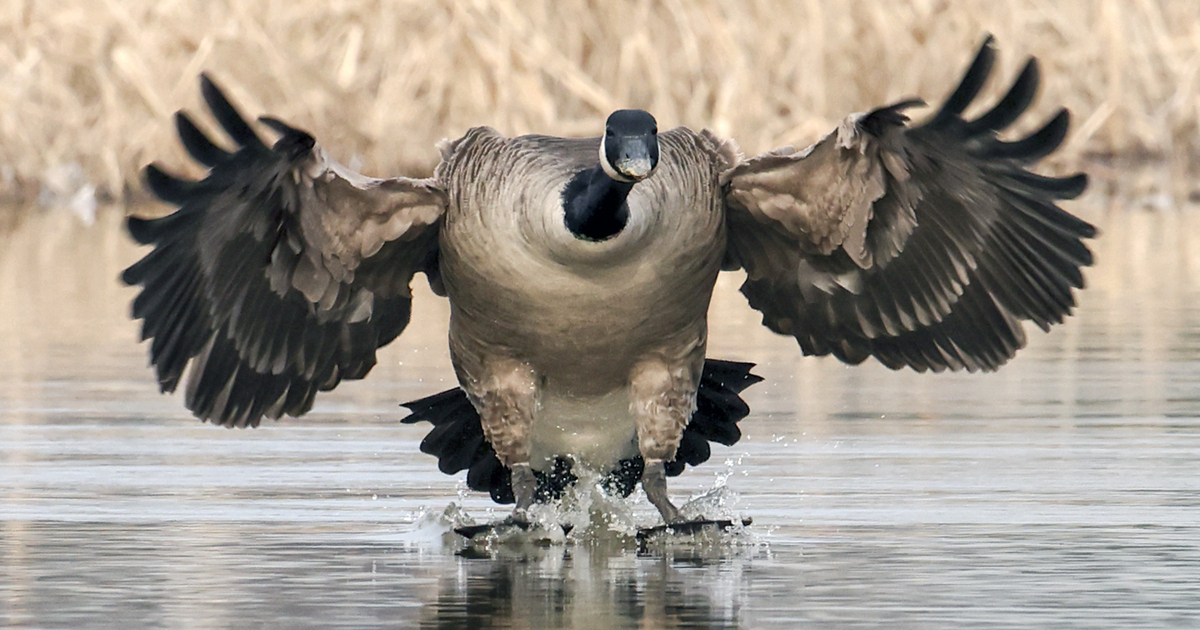
The winter solstice may not officially occur for another few weeks, but winter has arrived in the Great Lakes region—and it means business. Frigid temperatures coupled with impressive snow totals may be early, but for goose hunters, the harsh reality of winter is exactly what they’ve been waiting for.
So far, Canada goose hunting has been very hit or miss. While goose numbers have been average to slightly below in some areas, the unseasonable warmth hasn’t encouraged honkers to feed consistently or migrate in good numbers. Until last week, the pattern of warm, mundane waterfowl-hunting weather repeated itself, even in the northern tier of the region. Local geese got the message quickly and stopped making mistakes. Hunters looked for occasional influxes of new birds to freshen things up, but unfortunately it just hasn’t been the reality in many notoriously good goose-hunting areas.
While western Lake Erie and its huge marshes will always hold good numbers of waterfowl along the Michigan and Ohio coastlines, this season the geese have been a no-show so far.
Joe Robison, avid Canada goose hunter and Michigan Department of Natural Resources (MDNR) wildlife biologist supervisor located near the Ohio border, had this to say about his area: “Where are the geese? That's the story. I saw five flocks yesterday, and that's the most I've seen in six weeks.”
Just up the river on Lake St. Clair, guide and owner of MI Guide Service Jeremy Ullman, reports he has not seen any geese other than the locals that bounce along the lakeshore—and he’s on the water every day of the season in one of the busiest waterfowl migration corridors.
On the other side of the Wolverine State in southwest Michigan, MDNR Wildlife Technician Mike Richardson reports an uptick in goose numbers at the Fennville Farm Unit of Allegan State Game Area (SGA). “We picked up over 1,000 new geese in the last couple of days, and tons of new mallards and black ducks too, which is a good sign. I’m still hearing there are lots of geese on big water north of here as well.”
In the far western edge of the Great Lakes region in west-central Minnesota, guide Duncan Abrams of Pit Properties LLC has been bagging geese daily but is still waiting for the last big push of birds out of the north. “If you have open water, you have geese. We don’t have much open water left,” Abrams explains. “We’re getting them good right now though. And from the sounds of it, Winnipeg, Manitoba, is still loaded, so plenty of birds to come.”
Further south, Canada goose numbers have been building on the of metropolitan areas. Southeast Wisconsin and northeast Illinois are perennial powerhouse goose-hunting locales, and reports indicate goose numbers are increasing. Abundant local geese are a mainstay this time of year, while migrators shuffle in and out weekly, which has certainly been the case as of late.
To the east in Indiana, goose numbers have increased with the frigid weather, and during the past two weeks snow and white-fronted geese made appearances over many decoy spreads in northern Indiana. The general consensus around the Hoosier State is that Canada goose numbers have been below average, but that’s changing now.
The bottom line: As cold air settles in this week, only the largest lakes will remain open. Geese will be forced into winter strongholds, including rivers, spring fed or aerated ponds, and big water on large lakes. A legitimate winter pattern appears to have arrived early, and it should make it easier to find areas holding geese.
Stay up to date with the latest migration information.

Share this photo


Ducks Unlimited uses cookies to enhance your browsing experience, optimize site functionality, analyze traffic, and deliver personalized advertising through third parties. By continuing to use this site, you agree to our use of cookies. View Privacy Policy