Migration Alert: Pacific Northwest Season Wrap-Up
Jan. 23, 2026 – Pacific Flyway – Pacific Northwest
Jan. 23, 2026 – Pacific Flyway – Pacific Northwest



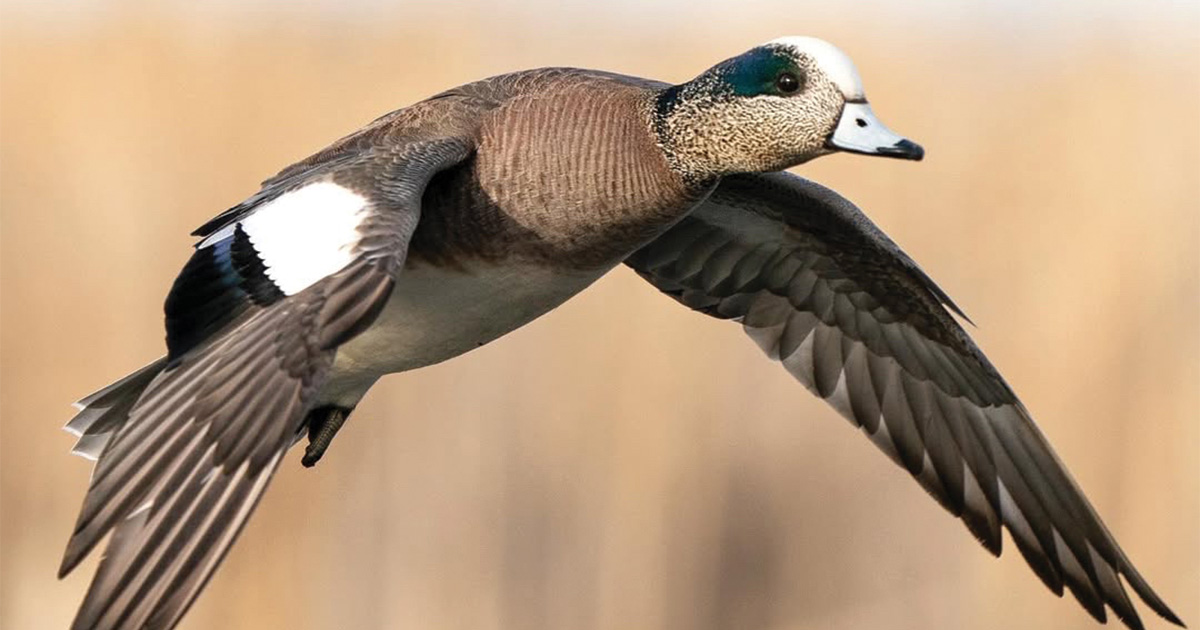
As most of the duck season comes to an end this weekend in the Pacific Northwest, there's more than just good and bad news.
The 2025-26 waterfowl season involved a lot of head scratching. Even typically dependable goose hunting across Washington, Oregon and Idaho, which continues in several open seasons for another month or so, has given pause to seasoned hunters. Nevertheless, there's plenty of good news in parts of the region.
In a nutshell, waterfowl season in the Pacific Northwest began as expected in all three states, with average to a slightly-above-average hunting reported early for local birds and the usual push of early migrants.
Things went south (figuratively and literally) as November and December brought heavy rains, with severe flooding across Oregon and Washington, which spread birds out. Many waterfowl headed south or simply didn't show up through most of the month.
Then came the good news.
Slowly but surely, hunting unexpectedly picked up in January, and as the season passed the month's midpoint, hunters in many areas reported some of the best shooting of the season.
Speculation from both biologists and hunters runs the gamut, but for the best chances on the last weekend, Puget Sound and the lower Columbia south through Oregon's Willamette Valley are the places to be.
Kyle Spragens, waterfowl section manager for the Washington Department of Fish and Wildlife (WDFW), reports an influx of pintails at the popular Samish Flats on north Puget Sound along with an uptick in wigeon.
The downside, he speculates, lies in the aftermath of heavy flooding from repeated tropical rains across most of the state’s west side. The water not only spread birds out into areas where they aren't usually seen, the flooding “scoured the area of much of the remaining food,” Spragens reasons.
Backing up his hypothesis is a corresponding recent rise in daily birds-per-hunter bags at Ridgefield National Wildlife Refuge near Vancouver and across the Columbia River at Sauvie Island Wildlife Area near Portland (more on that in a moment).
Spragens also notes an increase in band recoveries from local birds, but attributes that largely to the holidays when more hunters had time off.
“And maybe ducks are finding pockets of food here and there,” he adds.
East of the Cascades, hunting “has been pretty stale,” observes Matthew Wilson, Yakima-based state waterfowl specialist for the WDFW. “We've had stale weather and stale birds.”
With unusually warm weather, “we don't have much ice anywhere,” Wilson adds. “There appear to be good numbers of birds on both the west and east sides of the Cascades but also plenty of places for them to go.
“Every year it gets less predictable because the weather is less predictable,” Wilson laments.
In a pleasant surprise for local waterfowlers, hunters at Oregon’s Sauvie Island Wildlife Area recently recorded an unheard of 3.5 birds-per-gun in the season's final week—more than double typical numbers.
“It's weird,” observes a perplexed state wildlife area manager Mark Nebeker. “There's no reason they should be shooting the way they are.”
While balmy, sunny weather only attracts die-hard hunters who know where to go and what to do, Nebeker doesn't think it's the only reason for late-season success.
“We have a ton of eagles on the area,” he notes. “Maybe they're cruising the large refuge lake a lot more.”
Eric Strand of S2 Outfitters offers perhaps a more-plausible explanation: “We're seeing a reverse migration of birds coming back north,” he believes, noting heavy rains in California.
Kelly Warren, Ducks Unlimited regional biologist for western Oregon, adds: “It's been all or nothing; some hunters have done really well and others have struggled.”
Warren has observed a lack of mallards, more wood ducks than usual, and “the most wigeon I've seen in the Willamette Valley in more than a decade.”
Eastern Oregon has been hit and miss, with Umatilla National Wildlife Refuge hunters faring on the low side and Summer Lake's wildlife area also reporting generally slow hunting.
Hunting in Idaho has been generally slow, at least in comparison to typical years. The state depends on frigid cold snaps in Prairie Canada to drive ducks south, but that didn't happen as frequently as usual.
“It was okay with our early local production,” explains Jeff Knetter, upland game and migratory game bird coordinator for the Idaho Department of Fish and Game. “Since then, it's been well below average.”
Canadian birds never really showed up, he reports, and “local birds dispersed.”
“It just hasn't been cold enough,” agrees Scott McGann of Emmett, located northwest of Boise along the Payette River. “The birds aren't around.”
Panhandle hunters had largely the same lackluster success, although divers kept some hunters occupied.
Stay up to date with the latest migration information.

Share this photo


Ducks Unlimited uses cookies to enhance your browsing experience, optimize site functionality, analyze traffic, and deliver personalized advertising through third parties. By continuing to use this site, you agree to our use of cookies. View Privacy Policy