Migration Alert: Washington Hunters Face Difficult Weather Conditions
Dec. 19, 2025 – Pacific Flyway – Washington
Dec. 19, 2025 – Pacific Flyway – Washington



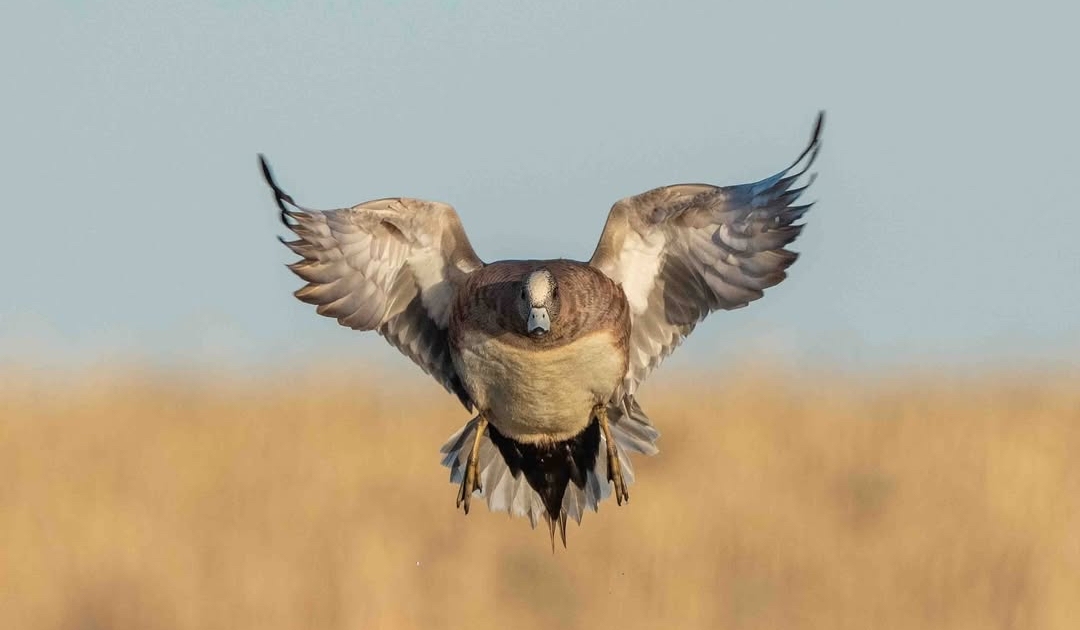
Last weekend, hunters saw an improvement to the lackluster duck season across western Washington. However, that disappeared with the torrential tropical downpour that sent rivers over their banks, displacing thousands of residents and spreading birds across the landscape.
More precipitation is in the forecast, but much of that precipitation is expected to fall as snow instead of rain, hopefully limiting torrential runoff. In fact, seasonally frigid weather finally descending south into Prairie Canada may even dislodge the final migrants from their northern staging grounds.
“It's a sloppy, muddy mess,” reports Matthew Wilson, statewide waterfowl specialist for the Washington Department of Fish and Wildlife (WDFW). “Everything has flooded on the west side (of the Cascades). Those who can get out have had some interesting shoots.”
While flood waters are receding, thousands of flooded acres remain in the waterfowl-rich farmland adjacent to north Puget Sound and several popular wildlife management areas, such as Fir Island, are closed. “Everything's been pushed into areas where ducks don't usually go,” Wilson notes.
Wilson reminds hunters to stay safe. “Don’t go anywhere there's moving water,” he says. Debris-choked rivers are flowing in unusual places and there's no telling where a boat might end up or find a submerged deadhead.
In the north sound, Wilson reports snow geese have shifted from the flooded Skagit Valley into areas around Stanwood, the Stillaguamish River, and even the Samish River.
South sound hunters may want to work on their decoys for a while, Wilson suggests. “It's just not worth it,” he believes. “A lot is underwater, and people are having to wade into areas they usually walk to.”
Rob Wingard, the department's assistant regional wildlife program manager for north Puget Sound, echoes Wilson's report. “We've had the National Guard out helping with district dikes on several of our management areas,” he says. “There are a whole lot of fish to fry before we get back to thinking about chasing ducks. Don't take a boat out that can be used for a rescue. Be good neighbors and stay safe.”
There are few reports from the lower Columbia, but success has been slow at Ridgefield National Wildlife Refuge during the deluge. Hunters can find up-to-the-minute water levels for most rivers on an interactive map at NOAA's National Water Prediction Service.
Eastern Washington hunters may have more to look forward to, although geese may be a better target than ducks, Wilson notes. “Moses Lake area has been slow the last two weeks. Mallards are super slow, but the goose guys are doing OK.”
Trevor Austin, a former waterfowl guide living near Spokane, reports a major uptick in mallards and geese along the Spokane River, with more geese hanging out from Davenport north to Harrington.
“We started to pick up birds about a week and a half ago when a storm hit the Lethbridge area in Alberta,” he says.
“There are lots of birds holed up in the Abbotsford area (east of Vancouver, BC),” Wilson adds. “And collared swans are finally dribbling in from Alaska (on both sides of the Cascades)—even trumpeters. Swans are really tough birds, so when they're late, it's been nice in the north.”
Stay up to date with the latest migration information.

Share this photo


Ducks Unlimited uses cookies to enhance your browsing experience, optimize site functionality, analyze traffic, and deliver personalized advertising through third parties. By continuing to use this site, you agree to our use of cookies. View Privacy Policy