Migration Alert: Southern California Hunters Deal with Low Duck Numbers
Dec. 29, 2025 – Pacific Flyway – Southern California
Dec. 29, 2025 – Pacific Flyway – Southern California



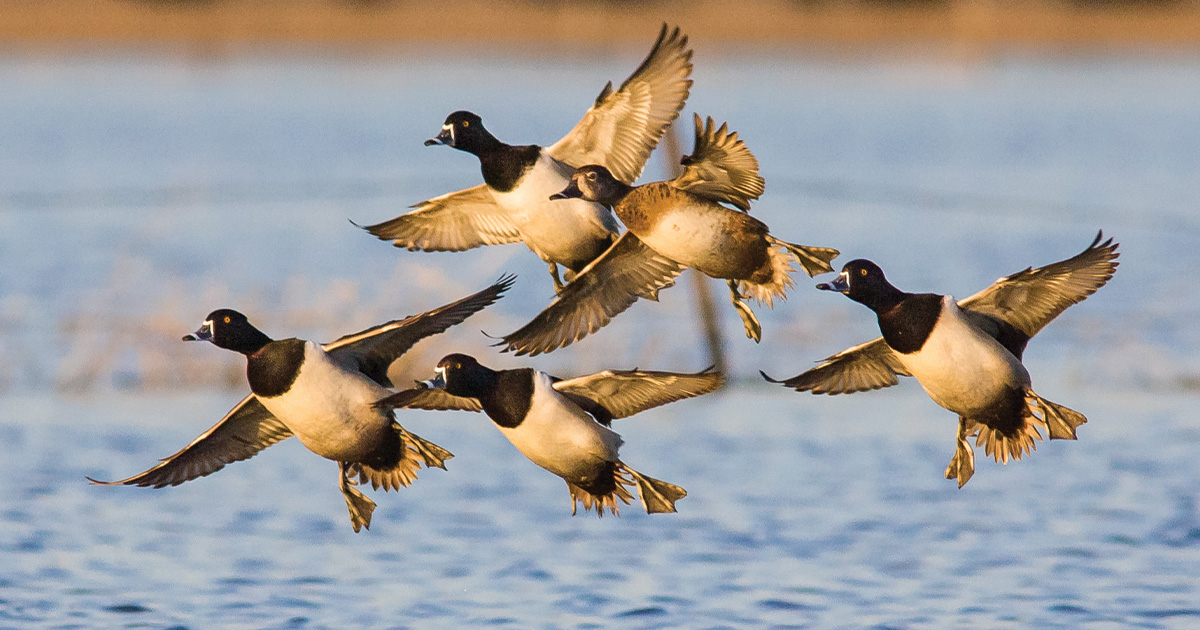
California's lackluster duck season has funneled fewer ducks to the southern half of the 800-mile-long state than in most years. As a member of a club near the shores of Mystic Lake and the San Jacinto Wildlife Area, east of Los Angeles, reports: “This has been the slowest year in memory. We have plenty of water, and a bumper crop of swamp timothy, but our harvest is off 80 percent from 2024–2025.”
Typical bird straps in the San Jacinto Valley include wigeon and shovelers. There is an obvious lack of northern pintails and green-winged teal, the usual staple on a normal year, reports Joe Fass. The wildlife area is yielding less than one-bird per gun.
The action is almost zero closer to the Mexico border, where Salton Sea hunters are reporting less than half a bird per day. Hunters at Wister Wildlife Area are reporting the same dismal numbers.
In the southern San Joaquin Valley, hunters at Kern National Wildlife Refuge (NWR) are shooting nearly three and a half ducks per day, which is tops in the state. Reports indicate that hunters are shooting shovelers, gadwalls, and wigeon.
Meanwhile, the state's largest wildlife area, Mendota, is reporting slow hunting, with hunters harvesting mainly shovelers, wigeon, green-winged teal, and ringnecks.
In the northern San Joaquin Valley, green-winged teal hunting has improved dramatically, with major clubs between Gustine and Los Banos reporting strong daily hunts. Consistence is a problem though, with limits taken on Saturdays and next to nothing on Sundays. Afternoon shooters are having success with northern pintails after most hunters have left the marsh.
Public shooting areas in the Grassland Ecological Area—the largest contiguous wetland west of the Mississippi River—are enigmatic. Some, like Kesterson NWR and West Bear Creek NWR, are reporting average success most days, while other nearby units such as Los Banos and Volta Wildlife Areas shoot next to nothing. The most numerous birds in the bag are green-winged teal, shovelers, and mallards, with greater numbers of ringnecks showing daily.
On private clubs between Dos Palo and Los Banos, hunting is quite good, with many straps containing quality diving ducks—redheads and canvasbacks. However, the Gadwall Unit just below Highway 152, generally a top-producing public area, is virtually void of ducks and geese.
Many hunters agree that the unseasonably warm weather is the cause of the delayed migration this year. They are hoping the best is yet to come as the calendar turns to 2026.
Stay up to date with the latest migration information.

Share this photo


Ducks Unlimited uses cookies to enhance your browsing experience, optimize site functionality, analyze traffic, and deliver personalized advertising through third parties. By continuing to use this site, you agree to our use of cookies. View Privacy Policy