Migration Alert: California Hunters Continue to Find Spotty Success
Dec. 9, 2025 – Pacific Flyway – California
Dec. 9, 2025 – Pacific Flyway – California



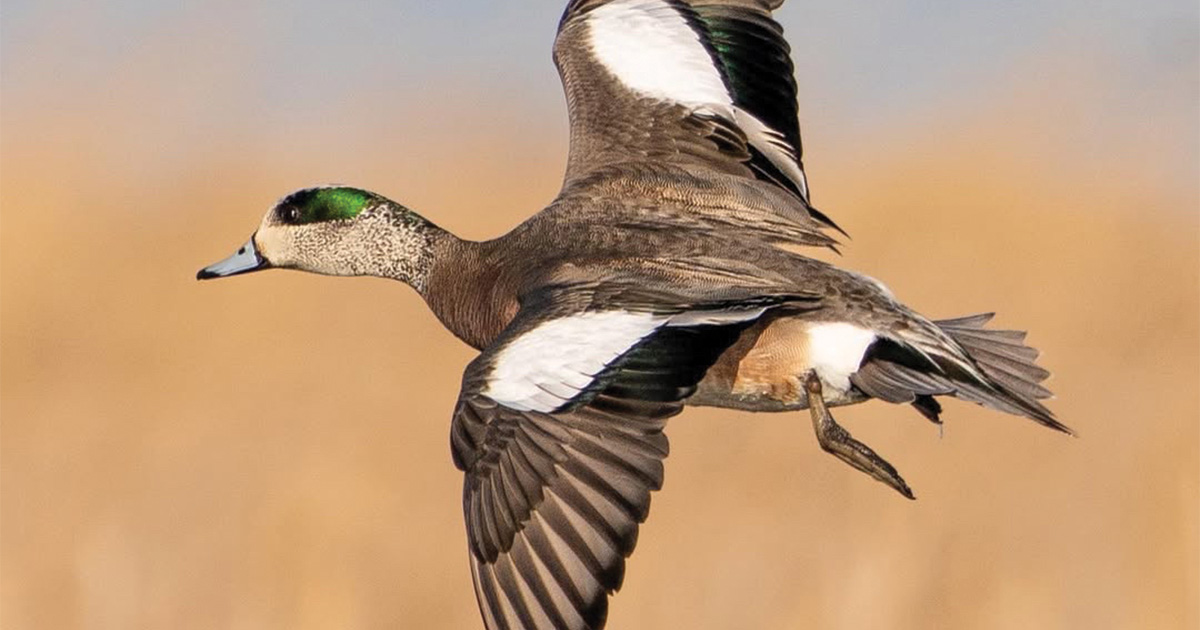
Colder weather in the north Pacific Flyway has pushed migrating ducks and geese into California's Central Valley, but mild temperatures and abundant flooded rice ground have made hunting challenging for many waterfowlers. Overall, success has been spotty. Hunters in some places such as the Sacramento Valley are doing well. Northern pintails, wigeon, and green-winged teal have dominated the bag for these lucky hunters. Most rice blinds have been much less productive. A mix of white-fronted geese and snow and Ross’s geese have finally arrived in hunted areas, and some guides in the Richvale, Biggs, and Colusa areas are having good success. The state is blessed with a 30-goose daily bag limit, which can consist of up to 10 specks and 20 light geese, so the best is still to come.
While the Suisun Marsh enjoyed hefty bags of greenwings, pintails, and wigeon during much of November, the action slowed this past week. A major wind event in the Sacramento Valley apparently triggered a reverse migration of wigeon, which departed the marsh and headed back north to the rice fields. Hunting success on federal areas such as Sacramento, Sutter, Colusa, and Delevan National Wildlife Refuges (NWR) remains about average or a little below average, with Delevan NWR yielding highest success rates. Daily bags are increasing, with a two-bird average on most refuges, highlighted by greenwings and wigeon.
A light goose survey flown last week in the Sacramento Valley found geese in much smaller numbers and spread out due to the fog and delayed deliveries of rice decomposition water because of the government shutdown. Federal refuges are holding fewer geese than normal, while duck numbers are on the upswing.
Hunting on the exclusive clubs in the Butte Sink has been spotty. While a club or two will produce well on any given day, others have reported just a handful of ducks taken on the entire club. Islands in the Sacramento-San Joaquin River Delta saw a return of mallards and wood ducks, plus a smattering of pintails and greenwings, due in part to a lingering fog cap that has kept temperatures low and forced birds to move during daylight hours to feed. Afternoon shooting has been most productive as ducks and geese forage on waste corn, rice, and native grasses.
There is quite a bit of excitement over the upcoming mute swan season, which opens Jan. 1, 2026. This is the first-ever hunt for this exotic species, which can weigh as much as 25 pounds. Mute swans are concentrated in the Delta and Suisun Marsh and can be identified by a "Halloween orange" patch on the bill. There is no limit, but hunting may only occur during normal shooting times—one-half hour before sunrise to sunset.
The Grasslands Ecological Area of western Merced County, the largest wetland complex west of the Mississippi River, is loaded with green-winged teal. However, greenwings aren’t moving much on some days. On others, the greenwings readily respond to whistles and offer fast shooting. Private clubs near Gustine averaged better than five birds per gun this week, and the presence of teal is the reason. Ring-necked ducks are also thick. Farther south, averages have been good at Mendota and Kern NWR. Mendota is fully flooded and yielding greenwings and shovelers, while Kern touts cinnamon teal.
Stay up to date with the latest migration information.

Share this photo


Ducks Unlimited uses cookies to enhance your browsing experience, optimize site functionality, analyze traffic, and deliver personalized advertising through third parties. By continuing to use this site, you agree to our use of cookies. View Privacy Policy