On Expedition: A Closer Look at the World’s Wildest Places
Explore how National Geographic–Lindblad Expeditions turns travel into a conservation‑minded experience
Explore how National Geographic–Lindblad Expeditions turns travel into a conservation‑minded experience


This article is provided by National Geographic-Lindblad Expeditions as part of a Sponsored Content program. Ducks Unlimited editorial staff played no role in creating this content.
By Staff Writer, National Geographic-Lindblad Expeditions
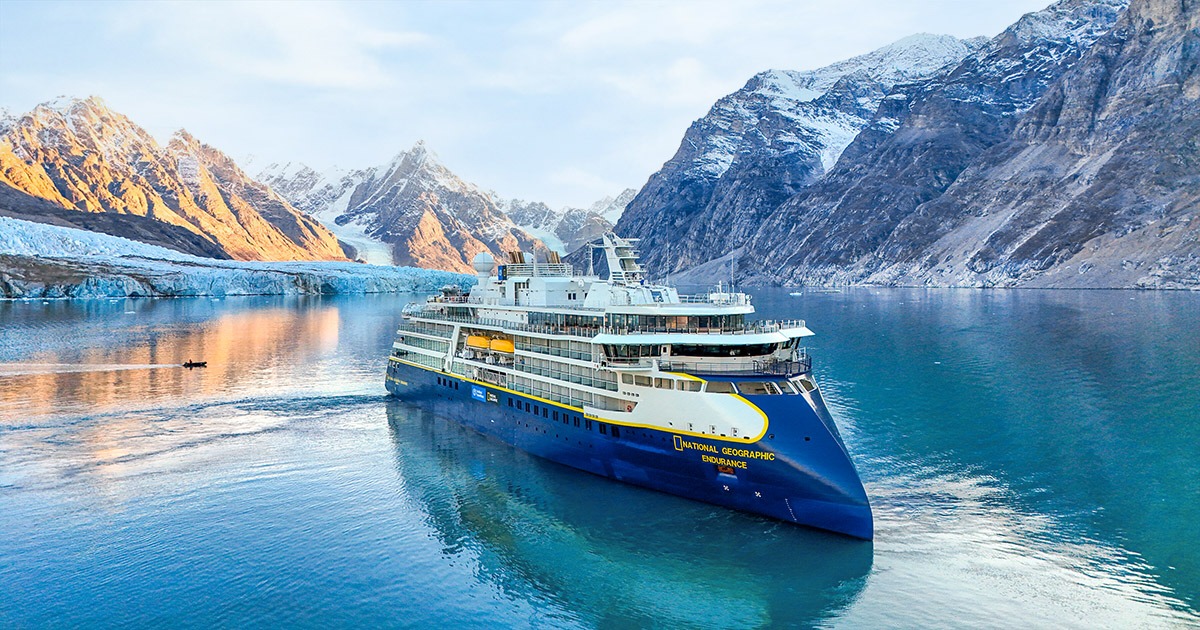
Modern expedition travel began with a simple idea: that spending time in remote places, when done carefully, can strengthen both understanding and stewardship. Curiosity brings people into nature, and familiarity often follows—along with a clearer sense of why healthy ecosystems matter and why they’re worth protecting.
For Ducks Unlimited members, time in the wild has long shaped perspective. You learn to notice patterns—where animals linger and how landscapes respond to change. Seeing those same patterns in new places adds context, revealing a larger, interconnected picture of the planet.
That’s where National Geographic-Lindblad Expeditions comes in.
For decades, this expedition travel company has taken guests into some of the world's most remote regions aboard small, purpose-built ships. Traveling alongside expert naturalists and photographers, guests don’t just see these environments—they spend time in them, learning how they work and why they matter.
National Geographic-Lindblad Expeditions operates a fleet of purpose-built ships carrying no more than 154 guests—small enough to move through shallow bays, narrow channels, and remote shorelines that larger vessels bypass. Travel is built around time off the ship, with Zodiac cruising, kayaking, and hiking allowing guests to experience these places at close range.
Days are active by design, while evenings offer time to reflect—informal recaps, photography sessions, and conversations with the expedition team that place the day’s observations into broader context. It’s an approach designed for people who value time in the field to connect experience with understanding—and nowhere is that approach more evident than in these four regions.
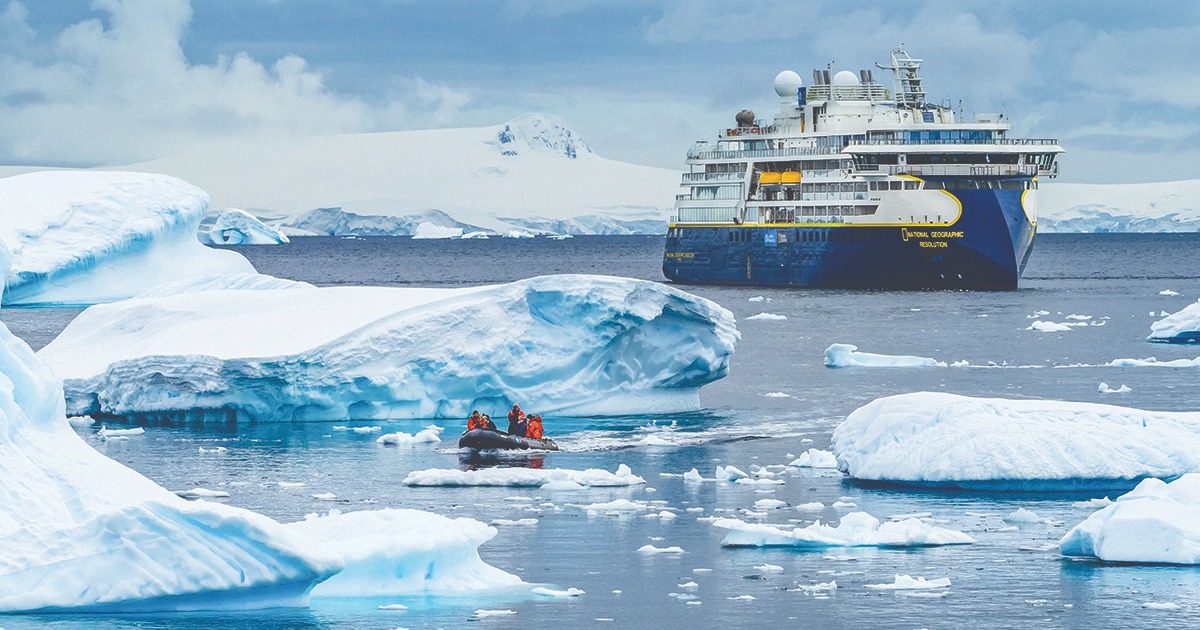
Antarctica is one of the wildest places on Earth—a continent shaped by ice, weather, and wildlife. Lars-Eric Lindblad founded modern expedition cruising here, bringing the first tourists to the continent in 1966. That pioneering spirit still defines the National Geographic-Lindblad Expeditions experience today. Decades of voyages have built a deep familiarity with Antarctic coastlines and wildlife, allowing for unparalleled access to the continent’s remote corners.
From Zodiac cruising past towering icebergs to walking among vast penguin colonies, Antarctica is experienced up close—and for Ducks Unlimited members, it’s a rare opportunity to experience nature at a scale few places on Earth can offer.
Each summer, the Arctic becomes one of the most important bird habitats on the planet. Traveling by small ship, guests explore regions such as Svalbard, Greenland, and Iceland, moving through fjords, sea ice, and remote coastlines by Zodiac. Shore landings lead to walks beneath seabird cliffs, while time on the water reveals feeding whales, hauled-out walruses, and dense concentrations of birds making use of the brief Arctic season. Seen from the water and the shore, the Arctic reveals itself as a landscape ruled by wildlife.
For more than 40 years, Lindblad Expeditions has explored Alaska’s Inside Passage, seeking out quiet inlets and glacier-carved fjords that larger cruise ships can't reach. Traveling by Zodiac kayak, and on foot, guests move through old-growth forests and along tidewater glaciers while watching bears forage, sea otters raft, and whales surface nearby. Naturalists help identify waterfowl and shorebirds, explain nutrient flows from glacier to sea, and connect Alaska’s coastal wetlands to the broader North American flyway.
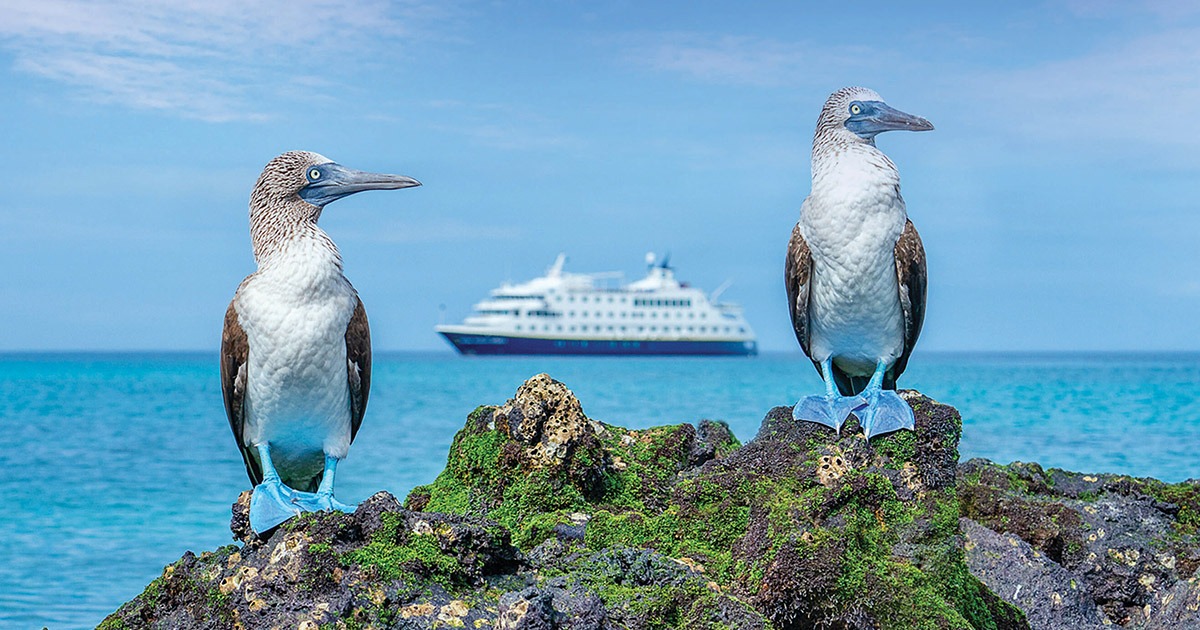
Few places demonstrate the value of long-term conservation better than the Galápagos Islands. Lars-Eric Lindblad first brought international travelers here in 1967, helping lay the foundation for ecotourism in the archipelago. Today, voyages are guided by local naturalists who interpret one of the most biologically rich—and carefully protected—regions on Earth.
Guests hike volcanic landscapes, kayak along mangrove shorelines, snorkel in nutrient-rich waters, and observe wildlife that remains remarkably unafraid of humans. Giant tortoises, seabirds, and marine life thrive here under a system shaped by close attention and long-term care.
Voyages support conservation through the Lindblad Expeditions-National Geographic Fund, which works to protect marine habitats, support coastal communities, and fund scientific research around the world. That commitment reflects an approach to travel shaped by long-term stewardship.
For Ducks Unlimited members, the alignment is easy to recognize: the same respect for natural places that guides conservation work also shapes how these expeditions unfold. Seen across polar ice and equatorial islands alike, experience becomes the clearest path to understanding—and one that endures long after the journey ends.
Learn more about expedition travel with National Geographic-Lindblad Expeditions at expeditions.com.
This article is provided by National Geographic-Lindblad Expeditions as part of a Sponsored Content program. Ducks Unlimited editorial staff played no role in creating this content.

Share this photo


Ducks Unlimited uses cookies to enhance your browsing experience, optimize site functionality, analyze traffic, and deliver personalized advertising through third parties. By continuing to use this site, you agree to our use of cookies. View Privacy Policy