Florida may be overlooked on the national duck map, but its shallow marshes, flooded cypress, tidal flats, and strong conservation legacy make it one of the Atlantic Flyway’s most productive—and uniquely rewarding—waterfowl destinations for hunters willing to trade icebreakers for airboats
Published on March 01, 2026 •
4 min read
This content is brought to you by Florida Fish and Wildlife Conservation Commissionas part of a Sponsored Content program. Ducks Unlimited editorial staff played no role in the creation of this content.
By Florida Fish and Wildlife Conservation Commission, Waterfowl Management Program
Courtesy of Florida Fish and Wildlife Conservation Commission
By the time most waterfowlers think their season is winding down, Florida hunters are just getting into stride. From the plethora of migratory waterfowl species right down to the unique residential Florida mottled ducks, fulvous and black-bellied whistling ducks, and colorful wood ducks, you never know what’ll fly into the spread at first light.
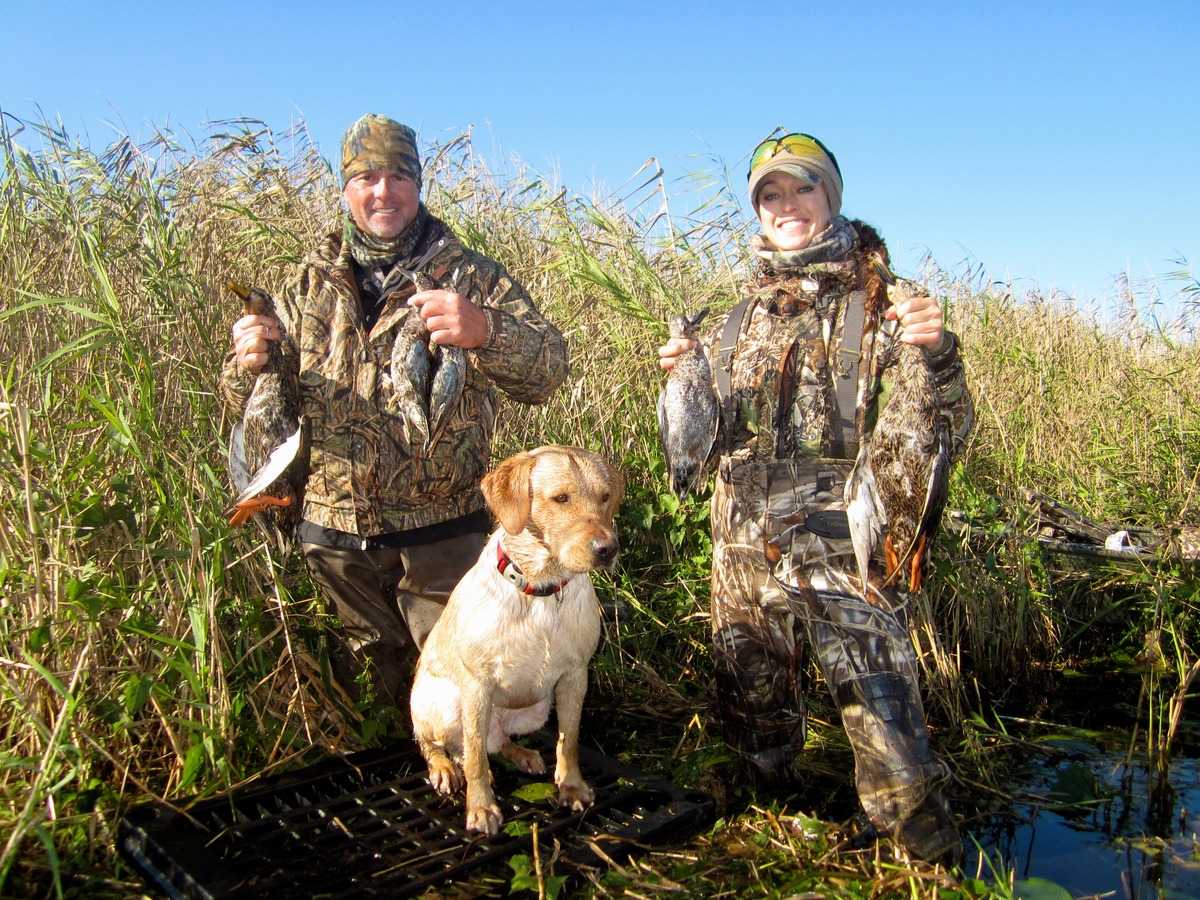
Florida is a great place to hunt waterfowl, offering ample public access and a hunter success rate among the highest in the Atlantic Flyway. Often overlooked on the national duck map, the state offers unique and rewarding hunts shaped by shallow marshes, flooded cypress, tidal flats, and a long conservation legacy that supports healthy duck populations. For those willing to trade icebreakers for airboats, Florida delivers something special: intimate hunts, strong local traditions, and a front-row seat to wintering and resident waterfowl.
Situated at the southern end of the Atlantic Flyway, Florida’s waterfowl story doesn’t follow the same script as northern states. While migratory ducks do arrive with cold fronts, much of Florida’s duck hunting revolves around resident and locally moving birds that rely on productive wetlands year-round.
Courtesy of Florida Fish and Wildlife Conservation Commission
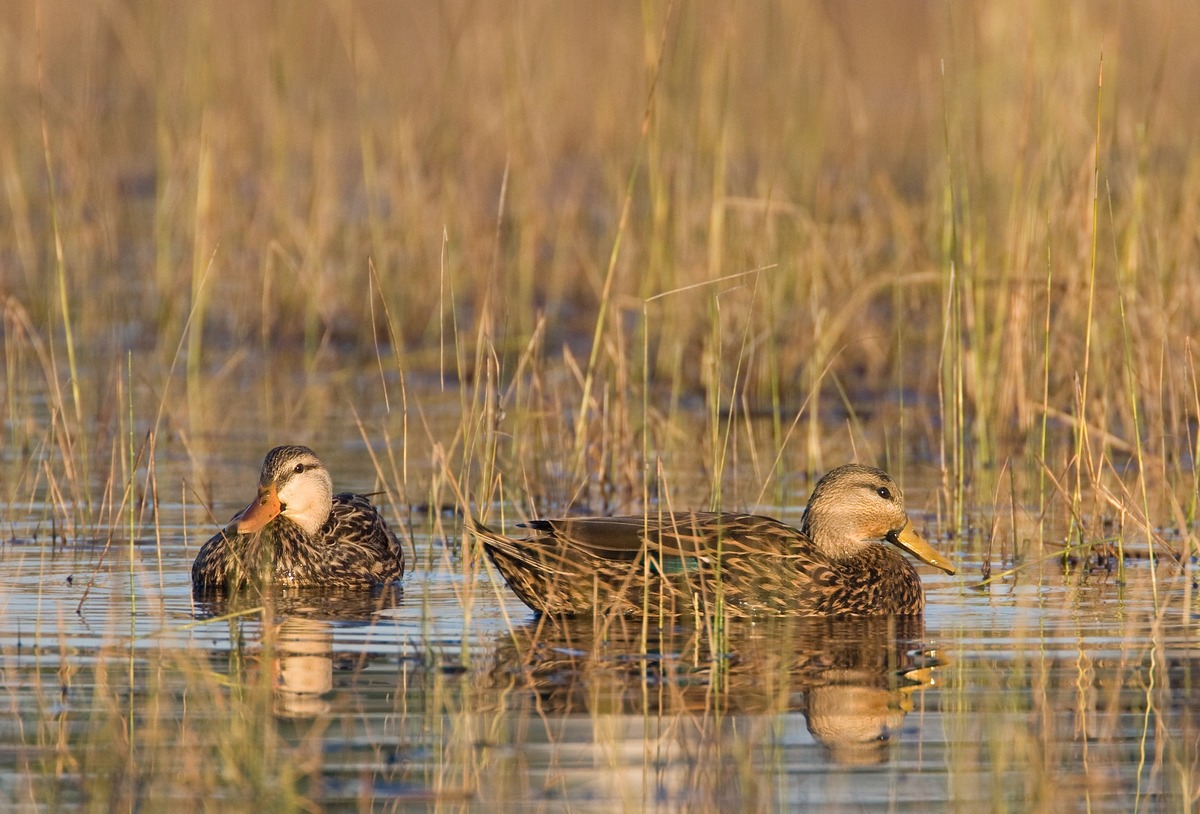
The Florida mottled duck is the Sunshine State’s signature species and is often compared to mallards in behavior, but it is tougher to pattern. These non-migratory ducks reward patience and consistent scouting.
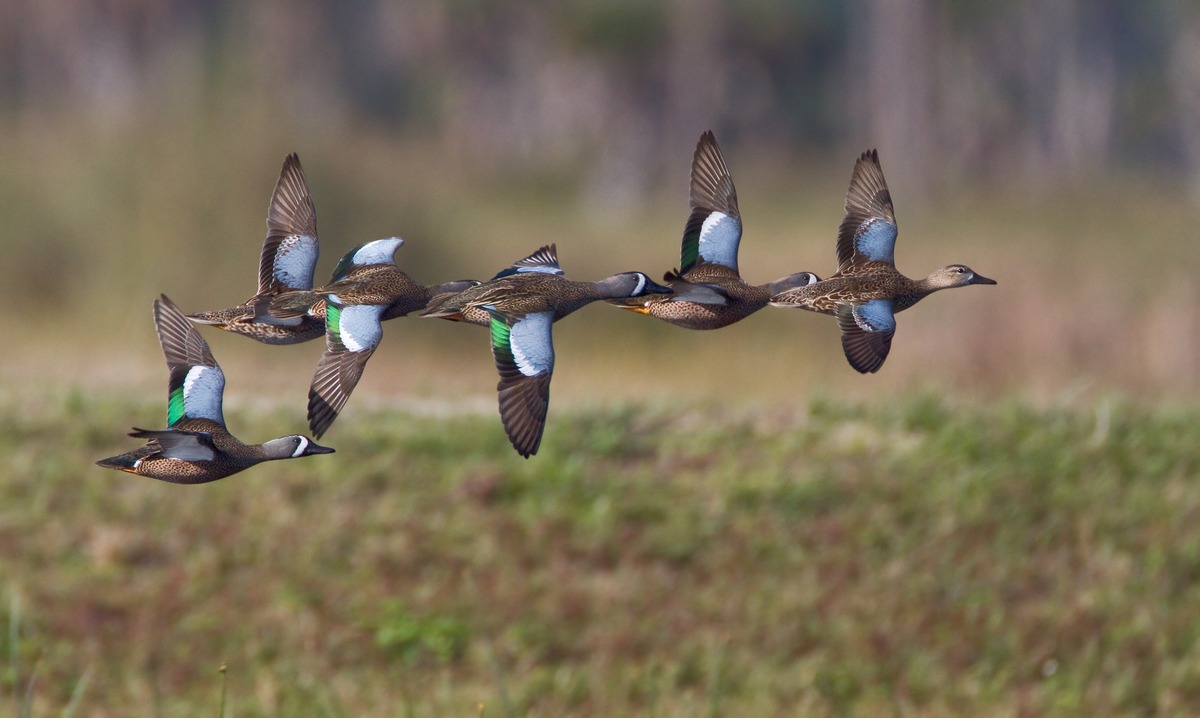
Wood ducks thrive in cypress sloughs and river systems across the state. In recent years, black-bellied and fulvous whistling ducks have expanded their footprint, offering Florida hunters a unique opportunity. Migrating and wintering blue-winged teal, ring-necked ducks, and lesser scaup round out the most commonly harvested species during a typical season.
Florida’s waterfowl habitat is as varied as its coastline. From shallow prairie marshes to the broad freshwater lakes of central Florida, hunting success depends on understanding vegetation, water levels, and timing.
Water management plays an outsized role in Florida duck hunting. Seasonal flooding can turn dry ground into a duck magnet overnight, while falling water levels concentrate birds into huntable areas. When the water is right, the birds respond.
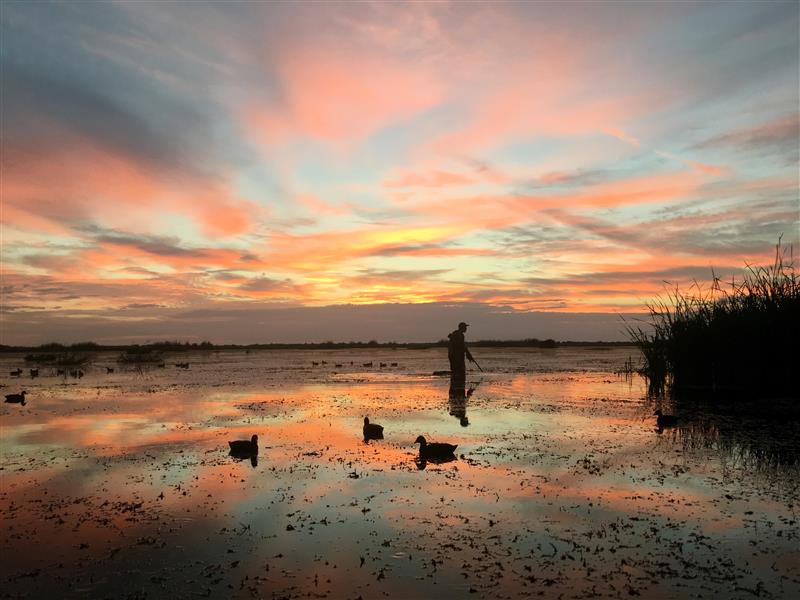
Florida duck hunting is rarely about stacked limits. Instead, it’s about reading the marsh, watching the wind ripple through sawgrass, and slipping into a hidden pocket at first light. Many hunts are conducted from small boats, canoes, or airboats, where concealment often matters more than decoy spreads.
Courtesy of Florida Fish and Wildlife Conservation Commission
Calling is typically subtle. Overcalling pressured birds can end a hunt quickly, while soft whistles and minimal movement often produce the best results. Shots come fast and close, and every bird feels earned.
For many Florida hunters, the experience can matter more than the outcome. Watching the sunrise burn through fog over a cypress swamp, hearing the high-pitched call of whistling ducks echo across the marsh, or spotting an alligator patiently watching the action in hopes of an easy meal, the experience is one of a kind.
Florida’s waterfowl future depends on conservation. From coastal marsh restoration to freshwater wetland enhancement, these efforts benefit not only ducks but also fish, wading birds, and countless other species.
Many Florida hunters are deeply involved in stewardship—building wood duck boxes, supporting wetland projects, and advocating for responsible water management. The connection between healthy habitat and successful hunts is impossible to ignore.
Waterfowl hunting in Florida may never look like a postcard from the Midwest. It’s a hunt shaped by warm mornings, green marshes, and birds that demand respect and restraint.
For those who understand it, Florida offers more than a season—it offers a year-round relationship with wetlands and wildlife. When a mottled duck cups into the decoys at sunrise, there’s no doubt: this is duck hunting, Florida style. Get your license at GoOutdoorsFlorida.com today, and experience it for yourself.
Actionable Tips:
Courtesy of Florida Fish and Wildlife Conservation Commission
1. Don’t overcall! Lone drake mottled ducks will respond to subtle quacks of a hen mallard call, and a whistle will suffice for fulvous and black bellies to turn them to you.
2. Shallow flooded areas are highly productive for teal, mottled ducks, and pintails, and shouldn’t be overlooked.
3. Mud flats towards the end of the season are highly productive for waterfowl and snipe. Look at river floodplains and littoral zones of lakes.
4. Salt marshes and coastal rivers offer opportunities for divers such as scaup, redheads, and bufflehead.
5. Don’t be afraid to move mid-morning! Florida offers a lot of habitats, and bird patterns change based on pressure, food, and water levels. Be willing to adjust!
This content is brought to you by Florida Fish and Wildlife Conservation Commissionas part of a Sponsored Content program. Ducks Unlimited editorial staff played no role in the creation of this content.
Select Location
State Abbreviation or Zip
Share this photo
We Use Cookies
Ducks Unlimited uses cookies to enhance your browsing experience,
optimize site functionality, analyze traffic, and deliver personalized
advertising through third parties.
By continuing to use this site, you agree to our use of cookies.
View Privacy Policy