Migration Alert: Kansas Waterfowl, Hunters Respond to Changing Conditions
Dec. 12, 2025 – Central Flyway – Kansas
Dec. 12, 2025 – Central Flyway – Kansas


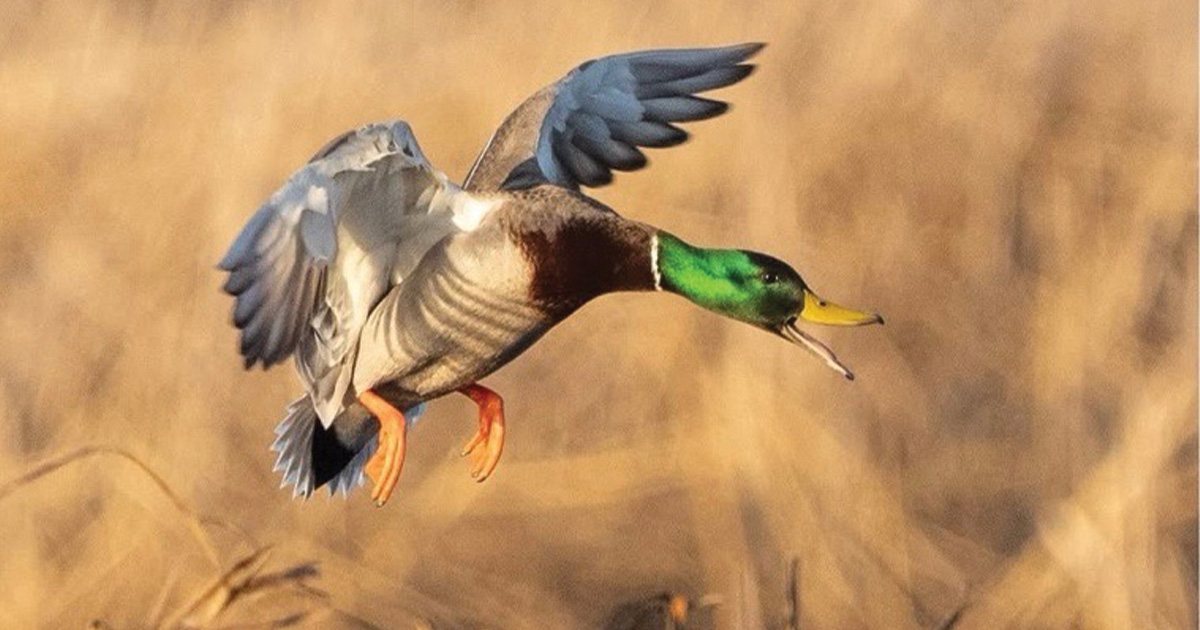
Winter weather in the northern section of the Central Flyway has helped deliver migrating ducks and geese to Kansas, where a cycle of freezing and thawing temperatures is keeping both waterfowl and waterfowl hunters on the move. Up until the winter weather system that socked the Northern Plains in late November, the waterfowl hunting in Kansas was somewhat hit and miss, reports Tom Bidrowski, migratory game bird specialist with the Kansas Department of Wildlife and Parks.
“Our water levels are improved to the point where we attracted ducks early in the season, but the amount of surface water out there allowed ducks to be spread out across the landscape,” Bidrowski says. “I think that presented hunters with a bit of a challenge and probably gave the impression at times that we hadn’t received much of a migration.”
That changed when winter weather conditions arrived in northern states, sending a noticeable migration of mallards, lesser Canada geese, and snow geese into Kansas.
“But then the challenge became a series of freezing and thawing temperatures that had birds on the move, and hunters have had to respond to these changing concentrations of waterfowl,” Bidrowski says.
This freeze and thaw cycle looks to continue with the next round of cold temperatures set to arrive this weekend, when another blast of extremely cold Arctic air is forecasted to descend throughout the Central Flyway. Overnight lows in parts of North Dakota and South Dakota are expected to dip to more than 20 degrees below zero.
In Kansas, the freezing temperatures will likely impact water conditions across much of the state, but the thaw is set to arrive next week.
Each blast of cold and snow that hits places like North Dakota, South Dakota, and Nebraska is good news for Kansas hunters, reports Ben Webster with Big Kansas Outdoors, as mallards and Canada geese are still utilizing areas of open water and available food in those states.
“The migration is in full swing for us here in Kansas,” says Webster. “Our cranes have moved on and so have most of the smaller puddle ducks, but we have plenty of mallards, lesser, and snows around. Good news is that I don’t think we’re quite at peak migration.”
Stay up to date with the latest migration information.

Share this photo


Ducks Unlimited uses cookies to enhance your browsing experience, optimize site functionality, analyze traffic, and deliver personalized advertising through third parties. By continuing to use this site, you agree to our use of cookies. View Privacy Policy