10 Incredible Facts About Atlantic Puffins, Iceland's Emblematic Seabirds
Discover Iceland's irresistible seabird icons and why seeing them up close is a must‑do adventure
Discover Iceland's irresistible seabird icons and why seeing them up close is a must‑do adventure


This content is brought to you by National Geographic–Lindblad Expeditions as part of a Sponsored Content Program. Ducks Unlimited editorial staff played no role in the creation of this content.
Small-ship voyages with National Geographic–Lindblad Expeditions are an extraordinary way to observe birds in every environment on Earth—from tropical rainforests alive with color and polar coastlines bustling with seabirds to the open seas where albatross and other ocean wanderers soar. Because these expeditions travel aboard nimble vessels with expert naturalists, guests gain a deeper understanding of bird behavior, migration, and habitat—no matter where they journey.
Each voyage is designed to foster a connection with the natural world and inspire stewardship. Through onboard talks, field interpretation, and hands-on opportunities like photography instruction or citizen-science projects, travelers learn how conservation protects the ecosystems that birds rely on—and how they can support that work long after the voyage ends.
Read on to learn about Atlantic puffins—the irresistible icons of Iceland—and why seeing thousands of them up close is a highlight of any Iceland expedition.
Iceland is the breeding ground for 60 percent of the world’s puffins. The rugged Westman Islands, off of Iceland's south coast, are home to the world’s largest single colony, with over one million birds gathering annually to lay their eggs.
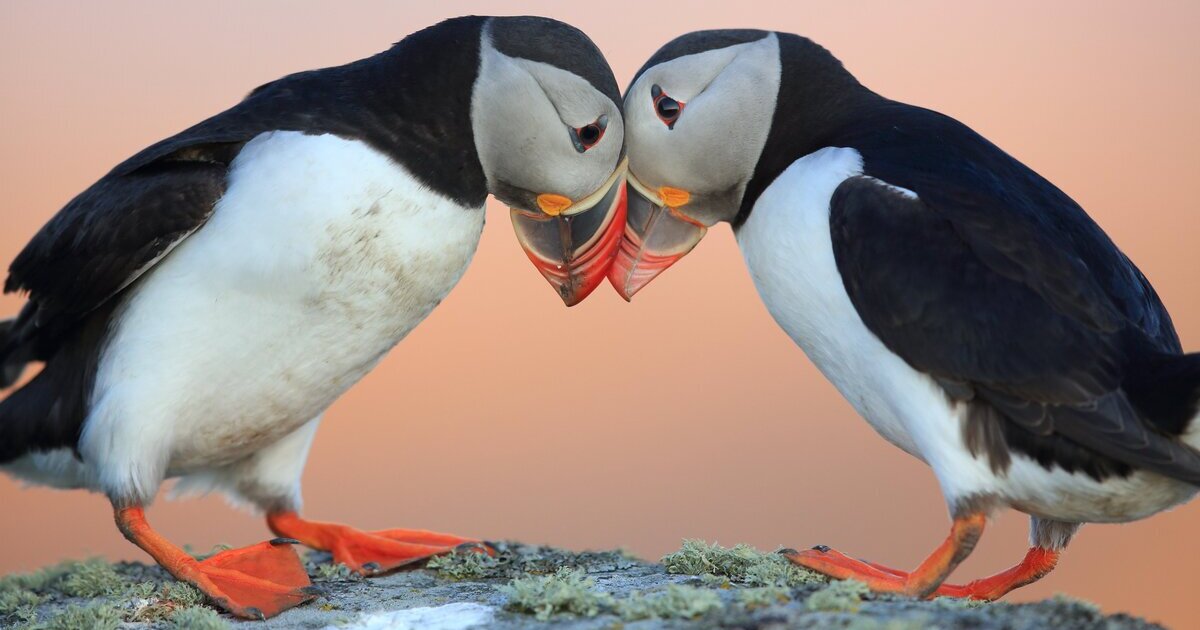
A puffin’s beak changes color depending on the time of year. As the breeding season begins in spring, it turns a flashy, bright orange, which is thought to help attract a mate. Come winter, they shed that colorful outer bill, leaving behind a smaller, duller gray beak.
Puffin beaks have a surprising feature: they glow under UV light! Scientists learned about this peculiar adaptation back in 2018, when they discovered that the yellow ridges light up in incredible fluorescent colors when placed under UV light. Researchers are still working out the purpose of this trait, but it may play a role in mating.
Unlike penguins, which these black and white birds often remind people of, puffins are extremely adept at flying. They can flap their small wings up to 600 times per minute and can speed through the air at up to 58 miles per hour.
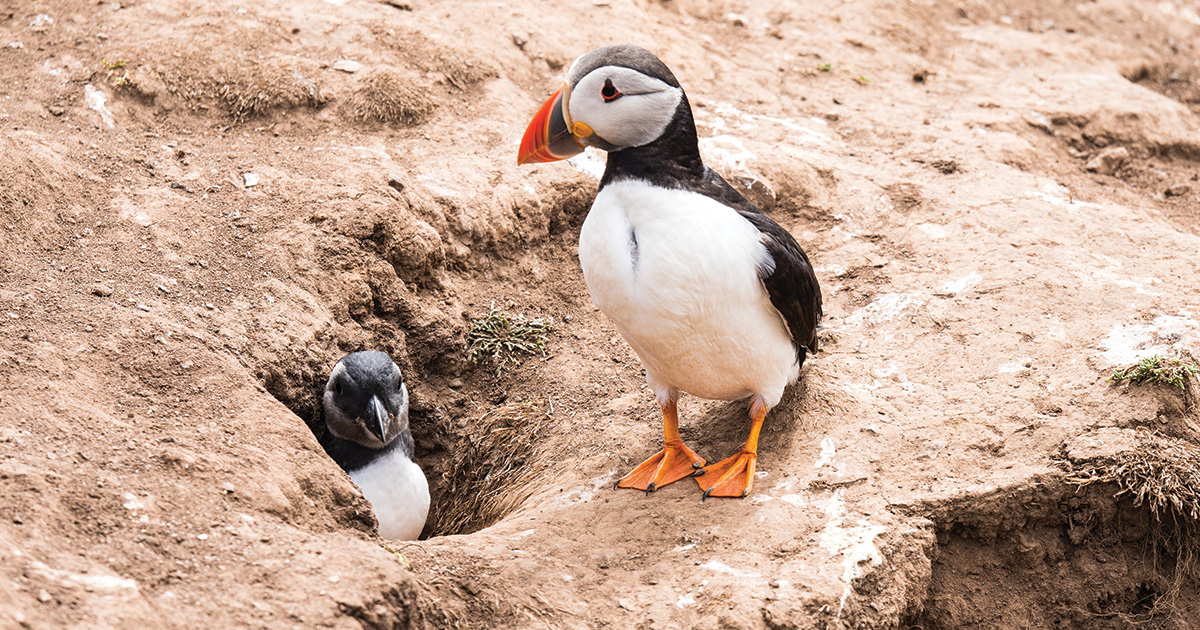
Puffins don’t begin breeding until they are between the ages of three and six. However, once they start and have a found a suitable partner, they usually mate for life. Couples return each year to the same burrow where they raise a single chick (known as a puffling) and share parenting duties.
When a couple reunites for breeding season, they rub their beaks together in a heartwarming behavior known as billing. This sweet display often draws a crowd of other puffins who share in the joyful reunion.
.jpg)
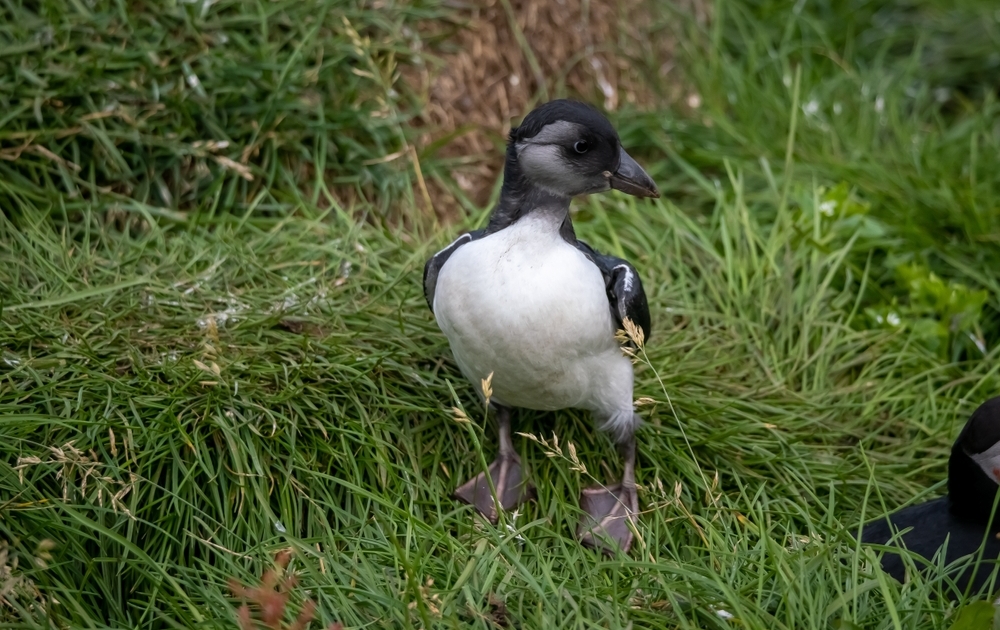
Come August and September, juvenile pufflings are ready to leave their nests at night. They use the light from the moon and stars to guide them out to the ocean, but many get confused by lights coming from neighboring towns. Each year, the residents of Iceland’s Heimaey Island help rescue lost birds found wandering the streets and release them safely out to sea.
Weighing just under one pound, these birds are small but mighty. Puffins can dive to depths of more than 130 feet—that’s 156 times their body length. Using their wings like flippers, they propel themselves through the water to chase their prey.
Their bills are designed for fishing. Course tongues and a layer of spines on their upper palate help puffins catch and carry 10-20 fish in their mouth at once.
Interested in learning more about exploring wild and remote places with National Geographic-Lindblad Expeditions? Visit expeditions.com.
This content is brought to you by National Geographic–Lindblad Expeditions as part of a Sponsored Content Program. Ducks Unlimited editorial staff played no role in the creation of this content.

Share this photo


Ducks Unlimited uses cookies to enhance your browsing experience, optimize site functionality, analyze traffic, and deliver personalized advertising through third parties. By continuing to use this site, you agree to our use of cookies. View Privacy Policy