Migration Alert: Pennsylvania Hunters Report Strong Migration, Hunting Success
Dec. 12, 2025 – Atlantic Flyway – Pennsylvania
Dec. 12, 2025 – Atlantic Flyway – Pennsylvania



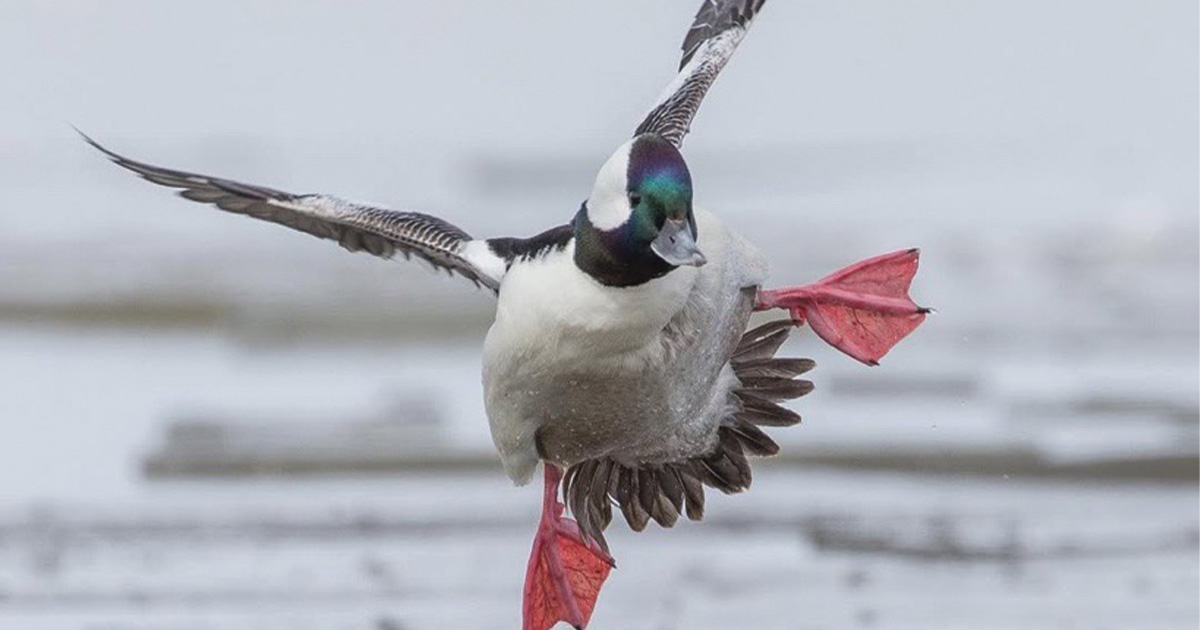
Waterfowl have arrived in Pennsylvania thanks to early-season cold fronts and increasing ice cover to the north. By all accounts, it’s been one of the better seasons in recent memory.
In northwestern Pennsylvania, waterfowlers on Presque Isle and Lake Erie have been enjoying good success on diving ducks. According to Shawn Feiock of the Northwestern Pennsylvania Duck Hunters’ Association, “We’ve had a lot of bluebills and buffleheads, although activity has slowed down a bit recently.” Ice is becoming a significant factor, with Feiock noting, “Misery Bay is already locked up solid,” and locals are discussing early ice fishing. A brief warm-up may help open more water, and he hopes that predicted temps just above freezing will melt enough ice to attract more birds.
Sea ducks such as longtails and white-winged scoters have arrived in good numbers and are rafting on big water. Puddle ducks, primarily mallards, continue to be present in limited numbers. Feiock emphasizes that the season’s progression largely depends on ice conditions and bird movements from the north, noting that Lake St. Clair remains stacked with birds.
Hunters in central and southern Pennsylvania also report active waterfowl movements. Captain Jim Weiser, owner of James Creek Outfitters and Fins and Feathers Outfitters, reports that Canada geese and snow geese as “moving through Pennsylvania pretty heavily at the moment.” The Susquehanna River is hosting wigeon, black ducks, and goldeneyes as smaller ponds are beginning to freeze, pushing birds to larger waters. This trend is also being observed in neighboring New Jersey, where black ducks and brant showed up earlier than usual. Weiser is optimistic about the sea duck season as long-tails and scoters have been arriving in good numbers. “I think we’re going to have a great year,” he adds.
Justin Stewart of Geese at Your Feet Outfitters reports that a recent cold front triggered a substantial push of puddle ducks, including black ducks, which had previously been scarce. Goose migrations have also increased significantly. Diving duck activity is increasing as well, with goldeneyes, bluebills, buffleheads, and ring-necked ducks appearing more regularly.
Looking ahead, Stewart does not expect birds to leave immediately, despite the recent freeze. “I don’t think it’ll push birds out yet. They just arrived,” he says. With conditions shifting quickly, hunters should remain adaptable. As Stewart says, “It can change overnight. We’ll enjoy the birds while we’ve got them.”
Overall, Pennsylvania waterfowlers are experiencing a strong season. As winter weather continues to push into the Northeast and Great Lakes region, hunters should find success as more ducks and geese migrate into the state.
Stay up to date with the latest migration information.

Share this photo


Ducks Unlimited uses cookies to enhance your browsing experience, optimize site functionality, analyze traffic, and deliver personalized advertising through third parties. By continuing to use this site, you agree to our use of cookies. View Privacy Policy