Migration Alert: Mississippi Flyway Hunters Pack Up as Light Goose Migration Shifts into the Dakotas
March 24, 2026 – Mississippi Flyway – Light Goose Conservation Order
March 24, 2026 – Mississippi Flyway – Light Goose Conservation Order


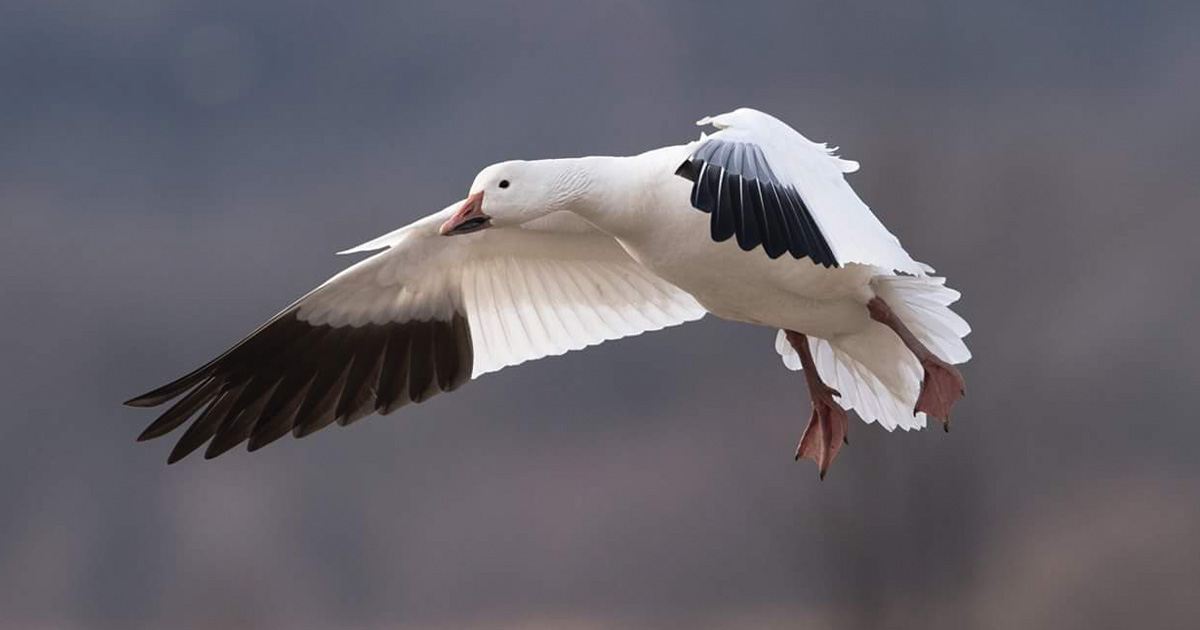
Despite massive weather swings over the past two weeks, light geese migrating northward have remained on task. Even blizzard conditions in the northern plains did not deter frontline adults from probing as far north as the Canadian border and beyond this past week—only to turn around when they ran out of water and accessible grain. If nothing else, this once again proves that Arctic geese are prepared to push the limits, and dealing with difficult conditions is standard operating procedure.
How does all this impact hunters? The constant theme this season has been “We’re waiting on the juvies.” For many, the wait was in vain, but the tail end of the spring light goose migration is now in full swing—including many long-awaited juveniles—according to multiple sources who have been staring at adult snows that rarely drop into shotgun range for weeks on end. However, given the incredible warmth and truly remarkable southerly winds over the past week, most birds have kept right on going to points north into the Dakotas and beyond.
While Arkansas, southeast Missouri, and southern Illinois hunters have packed things up for the season, farther north in the upper Illinois River Valley the last of the spring migrants provided a smidgeon of opportunity for the most dedicated hunters.
Going into last weekend, Austin Matheny, who hunts the prime snow goose migration corridor at the top of the Illinois River Valley nearly every day of the Light Goose Conservation Order, had picked up his spread. “There are still a few here—under 10,000 on the roost near me, if I had to guess. The pit next door shot a few, but I’d say it’s done here. A few juvies may come through, but it’ll be few and far between.”
At Habitat Flats near Sumner, Missouri, Tony Vandemore did not see the pushback some expected with the nasty snowstorm to the north last week.
“No pushback here. We still have a few around, but not a lot by any means. Overall, this season was so-so. It had to be the biggest gap between the front end and back end I can ever remember,” he says.
Up the road to the northwest, near Loess Bluffs National Wildlife Refuge, JR Borchelt of Waterfowl Assassins Guide Service has been patiently waiting for workable juvenile snow geese for weeks.
“Some juvies started to show up, but with the temperatures in the 80s and 90s this weekend, I don’t think they’ll be sticking around,” Borchelt says.
The forecast in the region calls for moderate temperatures this week, albeit with a few freezing nights. Given recent patterns, it seems very unlikely that snow geese will slow down as they continue their race to tundra nesting grounds. While the Dakotas may provide some action for the foreseeable future, for all practical purposes this week should wrap up the rest of the Conservation Order for hunters in the Mississippi Flyway.
So, how was the 2026 season? Tracy Northrup of Up North Outdoors has been grinding through the season since it began and is headed to South Dakota for a few days, which he says will be his last attempt for 2026 after spending his guide season in Arkansas.
“The 2026 season was a good year to be a snow goose hunter,” Northrup says. “Two factors determine how a season unfolds—the weather and the hatch—and this year both worked in our favor. The hatch was solid, with plenty of juveniles mixed into the big flocks, and the weather cooperated more often than not. We had a few snowstorms, but nothing that held birds up for long. There are always peaks and valleys throughout the migration, but overall, it was a good season for most who were chasing spring snows.
Stay up to date with the latest migration information.

Share this photo


Ducks Unlimited uses cookies to enhance your browsing experience, optimize site functionality, analyze traffic, and deliver personalized advertising through third parties. By continuing to use this site, you agree to our use of cookies. View Privacy Policy