How to Hide an A-Frame Like a Pro
Discover three tips on how to hide your A-frame blind
Discover three tips on how to hide your A-frame blind



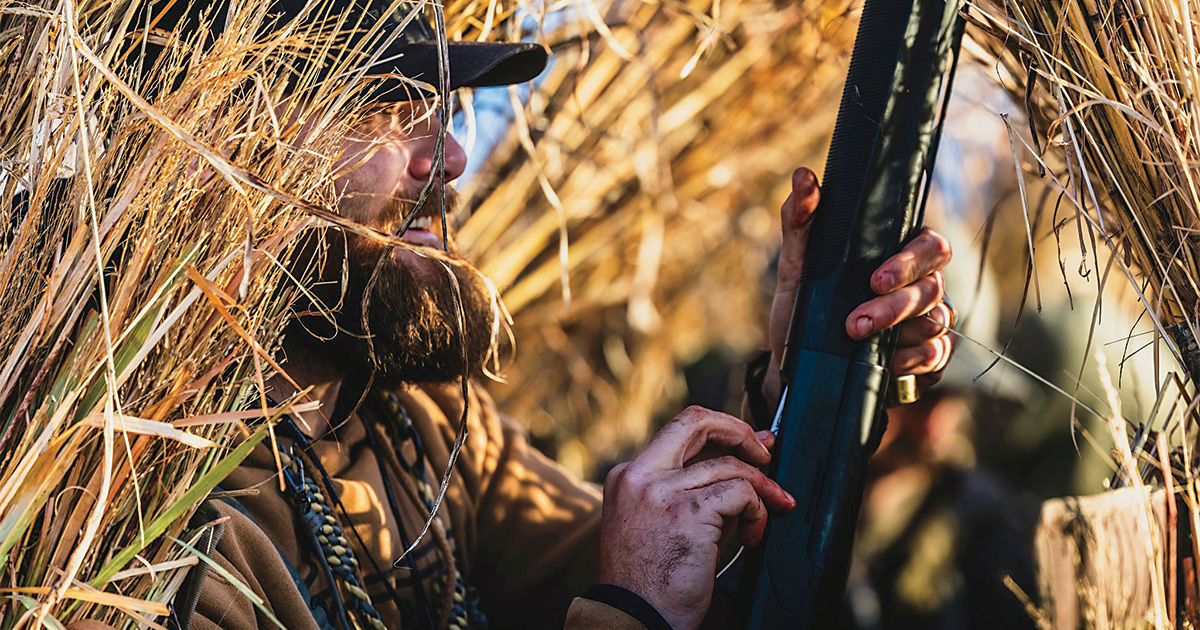
Brushing an A-frame with natural grasses and placing it next to vertical cover can help break up the blind’s outline and keep wary waterfowl from flaring.
A-frame blinds have become a popular choice for waterfowlers because they are versatile, they are comfortable for hunters of all ages and sizes, and they provide great protection from the elements, but concealing an A-frame can present some challenges. Read on to discover three tips on how to hide your A-frame this season.
Attaching a base layer of material is a good first step regardless of the type of blind you’re using, and it is easy to complete this task before a hunt. You can make quick work of the job by using zip ties to attach natural materials, like FastGrass, or a manufactured option, like Last Grass, to the blind’s straps. A good base layer, which covers all of the blind’s fabric, makes it easier to finish the job when you get to the field.
In the field, use natural vegetation to add a realistic top layer that matches the colors and structure of the surrounding cover. Avoid grabbing grasses or other brush from areas that are directly adjacent to the blind—you’ll want to keep this cover in place to break up the blind’s outline. Be sure to extend cover over any openings in the blind. A battery-powered trimmer and rake make this job go much faster.
Under certain conditions, an A-frame blind that has been dressed in multiple layers of grasses, tree limbs, or other vegetation can be used in the middle of a field, even when it’s nowhere near any other cover. But when you’re dealing with pressured birds or cloudy, low-light days, it is best to make use of available vertical cover when selecting a spot for the blind. Fence rows, slough edges, or even small areas of weeds or grasses can provide vertical cover that can help break up the outline of the A-frame. This approach also works when hunting the muddy edges of a wetland or lake.
Inside an A-frame, hunters commonly use buckets or stools to sit on, but elevated chairs that are about the same height as a bar stool are often a better choice. The raised chairs make it easier to rise and shoot, and they also provide a better vantage point during the hunt, thereby reducing extra movement in the blind, which can flare birds.

Share this photo


Ducks Unlimited uses cookies to enhance your browsing experience, optimize site functionality, analyze traffic, and deliver personalized advertising through third parties. By continuing to use this site, you agree to our use of cookies. View Privacy Policy