Producer Spotlight: Chris and ReEtta Sieh
Take cover crops seriously and treat them with the same attention and detail as you treat your cash crops; they are every bit as important.
Take cover crops seriously and treat them with the same attention and detail as you treat your cash crops; they are every bit as important.


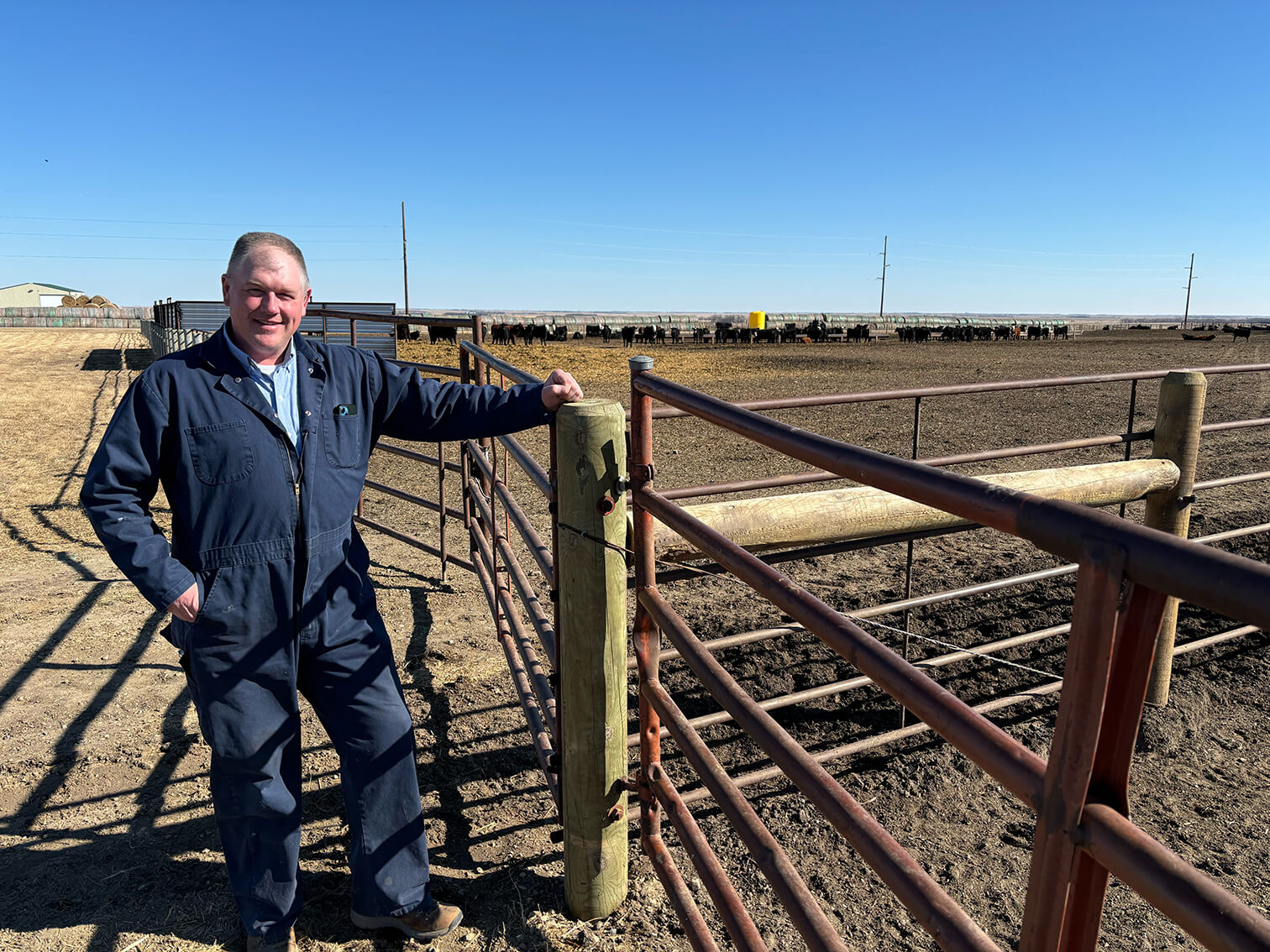
Caleb Caton and Matt Hubers — Ducks Unlimited (DU) agronomists — pull up to Chris and ReEtta Sieh's farm in north-central South Dakota's McPherson County, walk through an immaculately well-organized shop to a corner office where Chris greets them, followed by the smell of lasagna and freshly brewed coffee.
The Siehs operate thousands of acres in McPherson County. Looking east, the landscape is primarily flat crop fields, covering entire sections and quarters. Looking west, the landscape transitions to large tracts of native rangeland, rolling hills, valleys and draws, and a matrix of interspersed wetlands. Erosion is not a concern on the well-managed rangeland, but the region’s sensitive soils on crop fields are prone to wind and water erosion.
Unlike many local producers who stick to a corn-soybean rotation, the Siehs practice a more diverse crop rotation that typically includes corn, soybeans, small grains, rye, and various cover crops. They also incorporate sunflowers, peas, and lentils based on market conditions.
Diversity is the key to improving your soil, and with livestock, having those cover crops is a positive for both. You must take cover crops seriously and treat them with the same attention and detail as you treat your cash crops; they are every bit as important.
Building up organic matter levels increased the ability of the Sieb's fields to hold more water through the growing season. Per acre, every percentage point of increased organic matter results in an additional 20,000 gallons of water-holding capacity in the soil. Chris says, "On a dry year, that can be the difference between growing a crop-or not."
Caleb and Matt conducted a Haney soil test as part of DU's cover crop program. The results showed the amounts of water-extractable carbon, the percentage of soil organic matter, CO2 burst results, and Phospholipid Fatty Acid amounts. Chris was surprised it was all tied to soil organic matter. The agronomists also discussed nitrogen fertilizer application recommendations based on soil health attributes that promise to improve profitability.
Chris and ReEtta are no strangers to implementing conservation practices on their own, utilizing USDA programs such as the Conservation Stewardship Program (CSP), Environmental Quality Incentives Program (EQIP), Conservation Reserve Program (CRP), and DU’s Regional Conservation Partnership Program (RCPP).
As the meeting concluded, Arden, another member of the Sieh family, stepped out to feed cows. Outside, a drying wind stirred up dust on the gravel road, signaling the challenges ahead. Yet, thanks to their innovative practices, the Siehs might weather the dry season better than others. It's reassuring to know DU’s programs contribute to such resilience.

Share this photo


Ducks Unlimited uses cookies to enhance your browsing experience, optimize site functionality, analyze traffic, and deliver personalized advertising through third parties. By continuing to use this site, you agree to our use of cookies. View Privacy Policy