Ducks Unlimited Approved for Long Island In-Lieu Fee Program
Mitigation credits will combat wetland loss, advance New York’s coastal restoration
Mitigation credits will combat wetland loss, advance New York’s coastal restoration


Ducks Unlimited
Ducks Unlimited (DU) is proud to announce the formal approval of its Long Island In-Lieu Fee (ILF) Program, a transformative initiative designed to restore and protect tidal and freshwater wetlands, as well as aquatic resources, across Long Island. This program offers a critical third-party compensatory mitigation option for unavoidable impacts to regulated aquatic resources, marking a major expansion of DU’s mitigation efforts in New York State.
The Long Island ILF Program was developed in collaboration with the U.S. Army Corps of Engineers and other regulatory partners. It enables permittees to fulfill mitigation obligations by purchasing credits, which DU then uses to implement large-scale, ecologically significant restoration projects.
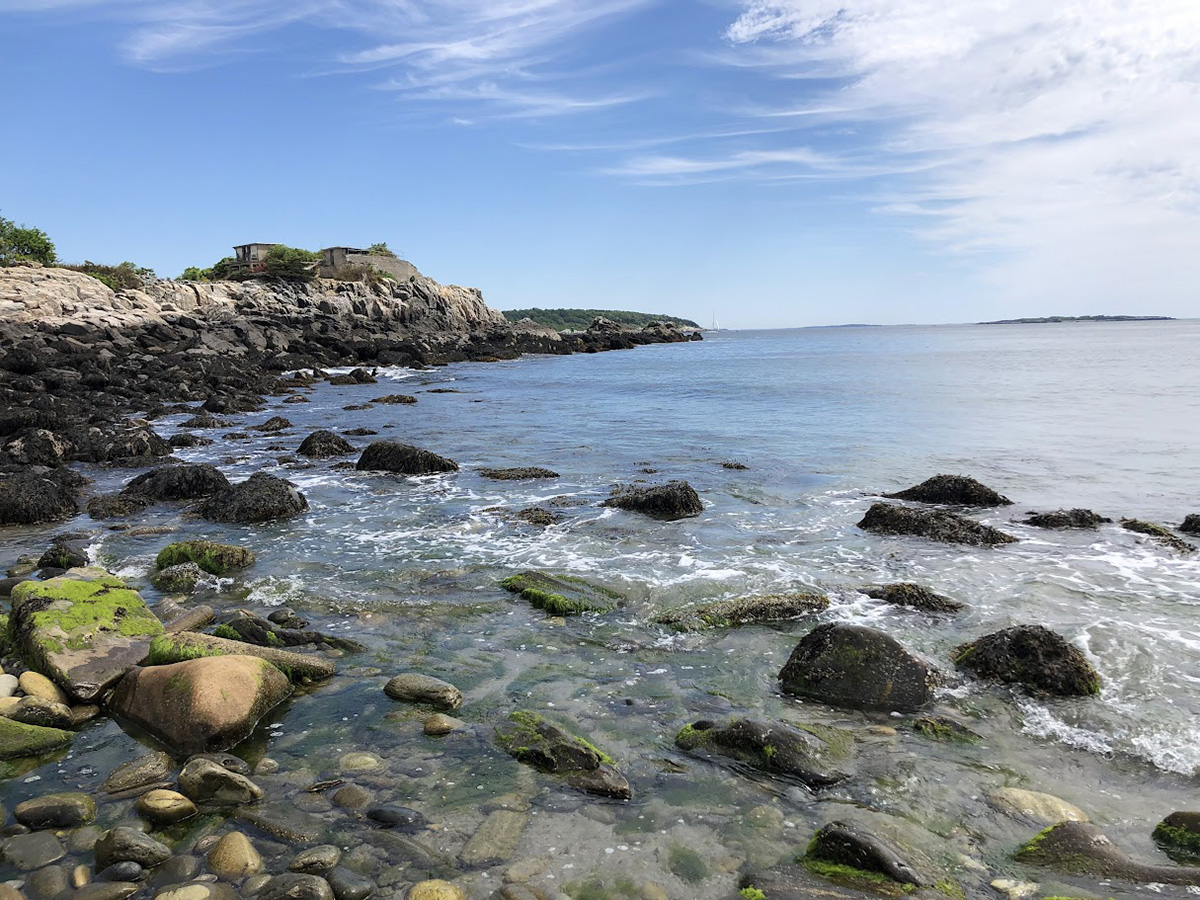
Long Island’s wetlands have experienced dramatic declines over the past century. Between 1928 and 2004, the region lost an estimated 48% of its tidal wetlands, with some marshes experiencing up to 100% loss. A focused study of Long Island’s estuaries revealed a loss of approximately 2,700 acres of native intertidal, high marsh, and coastal freshwater marshes between 1974 and 2008.
These losses have been driven by development, pollution (particularly nitrogen loading), coastal erosion, and storm surge. The degradation of marsh root systems due to nitrogen pollution has accelerated marsh collapse, increasing vulnerability to coastal flooding.
“The Long Island ILF Program allows DU to restore habitat on a scale that matches the urgency of the problem,” said Patrick Raney, DU’s Director of Conservation Programs. “By consolidating mitigation resources, we can repair historically altered wetlands at the scale of entire marshes, enhance protected area networks, and improve the resilience of aquatic ecosystems. American black duck and the imperiled saltmarsh sparrow are some of the species we are aiming to benefit with this program.”
The program will support projects that reestablish, enhance, and preserve both tidal and freshwater wetland habitats, contributing to flood mitigation, biodiversity, and improvements in water quality. Because permittees using the program must first avoid and minimize their impacts and provide financial resources to protect and restore more acres than those impacted, mitigation is an important tool for achieving no net loss of wetlands.
Moreover, as DU scales resources for the Long Island ILF program, we anticipate it will enhance our voluntary efforts. By diversifying the number of programs DU has it helps the organization invest in staffing and support resources and make a bigger positive impact. DU has conserved and managed nearly 60,000 acres combined through its voluntary and compensatory programs.
The Long Island ILF Program offers credits for Estuarine (tidal) and Freshwater wetlands.
“More resilient marshes also mean greater protection for coastal communities from storms,” Raney said. “The ILF Program will fill a critical gap and provide a vehicle for larger-scale restoration of coastal wetlands that’s needed both for wildlife and communities.”

Share this photo


Ducks Unlimited uses cookies to enhance your browsing experience, optimize site functionality, analyze traffic, and deliver personalized advertising through third parties. By continuing to use this site, you agree to our use of cookies. View Privacy Policy