On the Road with Your Retriever
Tips for keeping your retriever safe when you hit the road
Tips for keeping your retriever safe when you hit the road



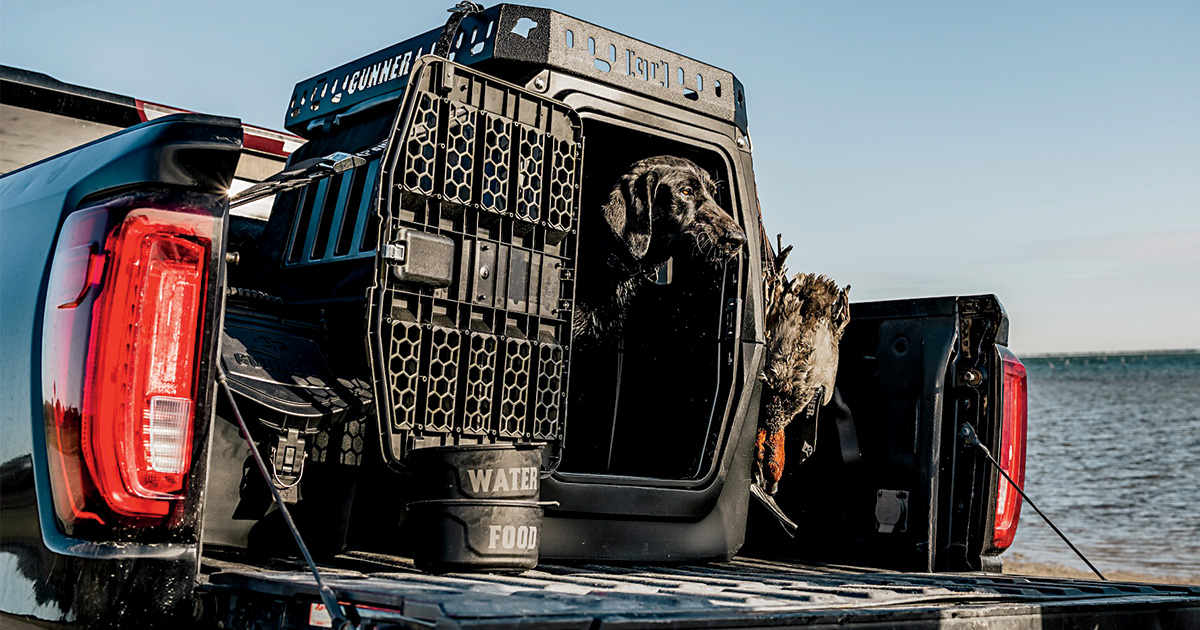
The two main dangers while traveling with a retriever are heat and cold, and it is important to be mindful of these any time you’re on the road with your dog.
Traveling to unfamiliar areas to hunt waterfowl is a great way to meet new people, explore various hunting traditions, and extend your waterfowl hunting season. Bringing your retriever along for the ride makes the trip even more enjoyable. Here are some tips for keeping your retriever safe when you hit the road.
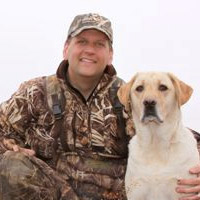
Mike Stewart, president of Wildrose International, is frequently on the road with retrievers during hunting season. His first tip is quite simple: Remember that your dog is a creature of habit. “Maintaining a routine is very important, especially when it comes to feeding and watering,” Stewart says. “That can become a challenge when you’re away from home.”
Stewart says that about two weeks before a trip, he will begin feeding his Labs on the schedule that he will follow while traveling. He also advises bringing more food than you expect to need and also packing all of your dog’s medications.
The stress of travel often causes a dog to stop drinking enough water, Stewart says, so he recommends “floating” a dog’s food. “With every feeding, I add a little water to the food bowl to provide some hydration,” he explains. “Add enough to make the food float; you don’t need to completely fill the pan.” He also recommends giving your dog a supplement, like Purina’s FortiFlora, which helps protect against upset stomachs that frequently occur when a dog is traveling.
Hunters should also maintain a routine for time out of the crate, bathroom breaks, and giving a dog the chance to stretch his legs, Stewart adds. “Every three or four hours, we’re stopping the truck and letting the dogs out, just like we would at home.”
Choosing a safe place to stop to give your retriever a break from travel is also important, Stewart says, as typical travel rest areas can contain hazards for dogs. “I try to avoid truck stops, because of the diesel and antifreeze on the ground, and then there is all of the typical garbage that you find, chicken bones and other things that just are not good for your dog,” he says. “If you stop where there is vehicle traffic, keep your dog on a lead.”
The two main dangers while traveling with a retriever are heat and cold, Stewart says, and it is important to be mindful of these any time you’re on the road with your dog. “Don’t forget about the heat and the cold after a hunt,” he says. “You don’t want to put your dog in a hot crate right after an early-season hunt. Heat exhaustion is a real concern at that point. And when it’s cold, after the hunt get that vest off your dog, dry him off, and put him in an insulated kennel.”
Finally, a dog first-aid kit is a must-have, and a dog’s collar should include your contact information. “I recommend using a good crash-proof crate that is anchored down tight so that it doesn’t fly around when you hit a bump or if you’re in an accident,” Stewart says. “The big things are to plan for heat or cold, maintain your dog’s routine, and use a little common sense.”

Share this photo


Ducks Unlimited uses cookies to enhance your browsing experience, optimize site functionality, analyze traffic, and deliver personalized advertising through third parties. By continuing to use this site, you agree to our use of cookies. View Privacy Policy